
By Clairellyn Sommersmith, Director
Winnefox Library System
Libraries have embraced the motto “more than just books” for decades. Whether highlighting digital collections, offering printing and faxing services, providing public computers, or delivering programs for all ages, public libraries have long understood how to meet community needs beyond physical materials.
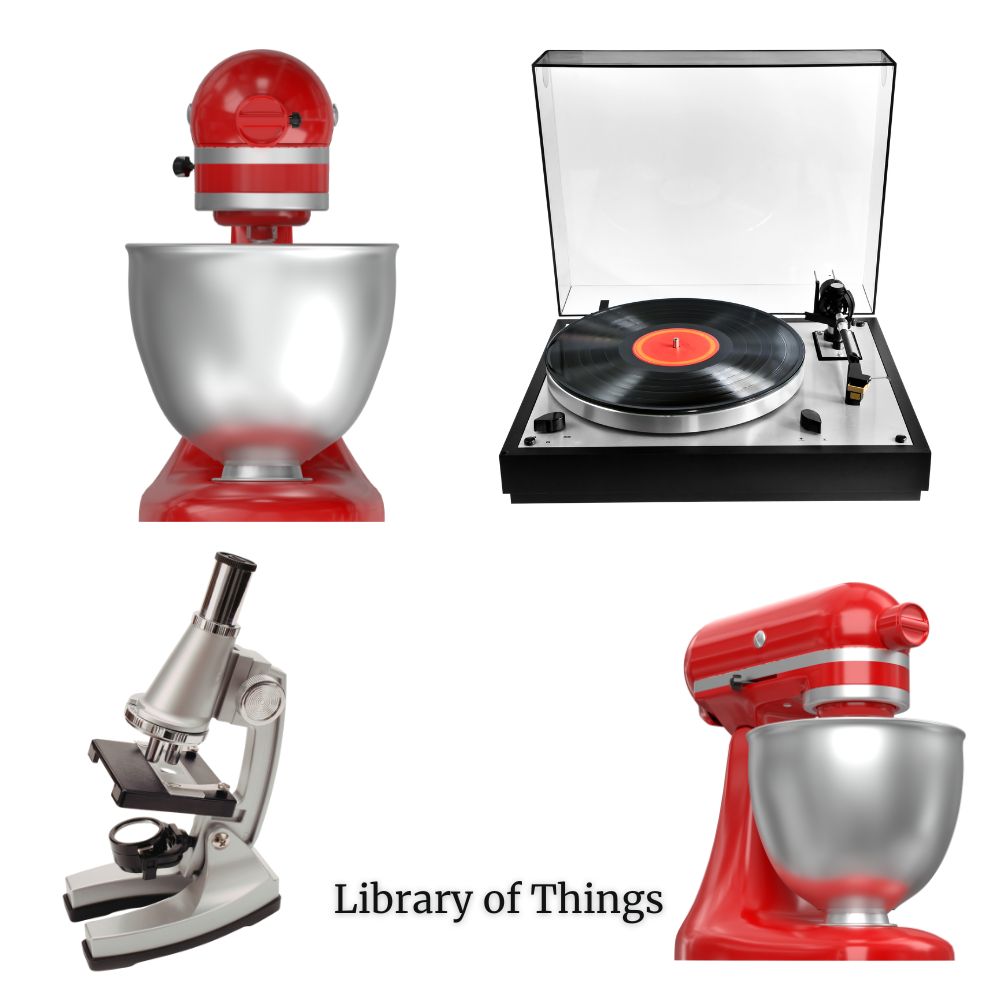
In recent years, this “more than just books” mission has expanded to include Libraries of Things—curated collections of non-traditional items designed to meet real, everyday community needs. These collections align naturally with the library’s role in supporting lifelong learning and fostering community connection, while also offering a strategic opportunity to increase relevance, visibility, and return on investment.
Games and Puzzles
Puzzles are often an ideal entry point for a Library of Things collection. Initial collections can be built affordably, frequently through donations from patrons who have gently used puzzles they no longer need. Similarly, a small board game collection can begin with donated items, allowing libraries to gauge community interest before investing in new purchases.
Board games and puzzles are a natural fit for library lending. They are portable, easy to use, and offer clear value to patrons who enjoy access to fresh options after exhausting their personal collections. With minimal barriers to entry, these items encourage participation across age groups and support social interaction and cognitive engagement.
Hotspots and Tools
Providing free Wi-Fi inside the library is already one of the most essential services libraries offer. This service can be meaningfully extended through the lending of mobile hotspots. In both rural and urban communities, many residents lack reliable or affordable home internet access. A loaned hotspot can provide essential connectivity for education, employment, healthcare, and everyday tasks—making it one of the library’s highest-impact offerings.
Tool libraries address another common community need, particularly for items that are used infrequently or for one-time projects. A tool collection might include specialized baking pans (such as that Spider-Man cake pan for your nephew’s birthday), knitting needles, watt meters, projectors, radon detectors, and more.
Hotspots and tools exemplify one of the library’s greatest strengths: shared resources that save patrons money, encourage creativity, and support community resilience.
Experience Passes
One of the newest additions to many Libraries of Things is experience passes. These are memberships to museums, parks, or other cultural attractions that are owned by the library rather than individuals.
Experience passes provide meaningful cost savings for patrons while emphasizing educational and cultural engagement. For libraries that can support the annual expense, these passes are a powerful way to expand access to community experiences, strengthen local partnerships, and create more equity opportunities for patrons.
Points to Consider
As staff and boards consider developing or expanding a Library of Things, several important factors should be kept in mind:
- Expense – Many Library of Things items are more costly than traditional materials. Hotspots and experience passes, in particular, involve ongoing annual expenses rather than one-time purchases. While not every library can support an expansive collection, puzzles and games remain a cost-effective starting point.
- Circulation Rules – Libraries may need to adjust circulation policies for non-traditional items. Fine-free libraries may still choose to charge replacement fees for Things. Restrictions may apply regarding holds, interlibrary lending, or loan periods, all of which should be clearly defined.
- Staff Time and Maintenance – Unlike books, many items or components require additional staff time. Board games must be checked for missing pieces, tools may need cleaning or recalibration, and technology items require updates and troubleshooting. Experience passes and hotspots require ongoing monitoring and renewal. These collections offer high value but also require thoughtful maintenance planning.
Conclusion
As libraries continue to evolve, a thoughtfully curated and well-managed Library of Things is a powerful expression of modern librarianship. These collections demonstrate a commitment to meeting patrons where they are, anticipating community needs, and using public resources wisely. For library boards, supporting a Library of Things is an investment in relevance, equitability, and commitment to the community.